The Myth of the One-Size-Fits-All Workflow
This post argues that while standardization once drove efficiency, it now collapses under the complexity of hybrid, AI-driven work. It shows how adaptable, modular workflows—built with branching logic, role-awareness, automation, and feedback loops—reduce cognitive friction and boost both speed and morale. The takeaway: the future belongs to flexible, human-aware systems that scale with people, not just processes.
Matt Dotson
9/15/20252 min read
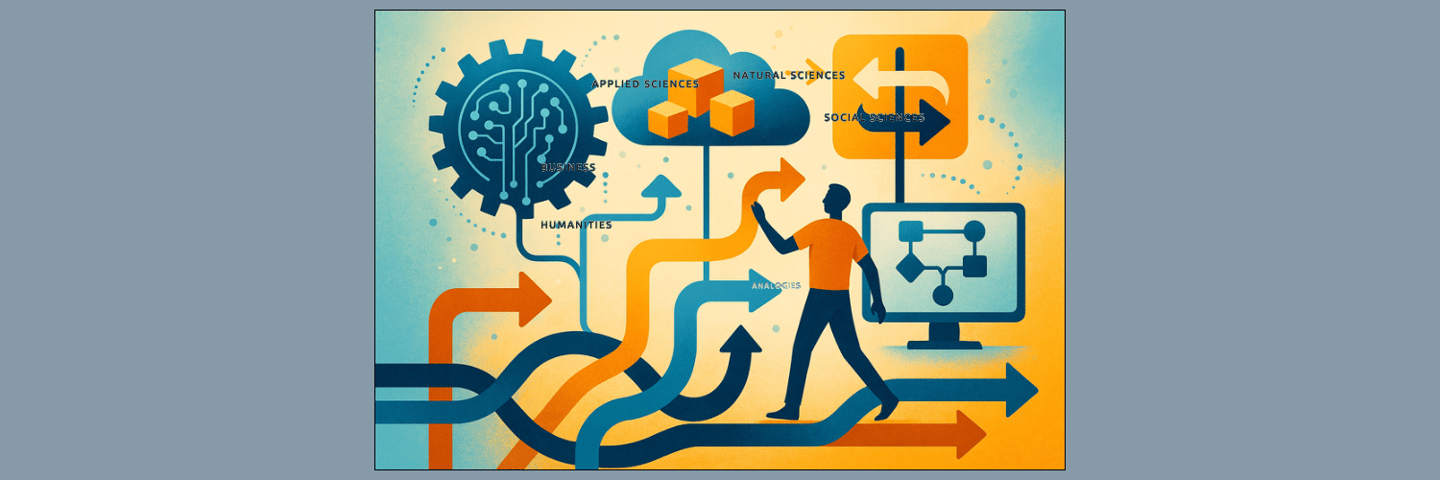
Why adaptability beats uniformity in the age of AI and hybrid work.
Companies love standardization. It’s clean, scalable, and easy to monitor. The issue with that is, people and how they operate don’t always fit so nicely into this organized idea.
As work becomes more hybrid, AI-augmented, and cross-disciplinary, the rigid workflows from the industrial era are quietly breaking under the weight of real-world complexity.
📦 1.
Why Standardization Breaks Down
The goal of standard operating procedures (SOPs) was always to reduce variance, improve reliability, and scale efficiency.
I would consider the traditional SOP a great starting point, but today’s work looks different:
Teams span time zones, roles, and tech stacks.
Inputs arrive asynchronously—from humans, APIs, bots, and customers.
Outcomes change mid-stream as data evolves.
A 2023 report by Deloitte found that 58% of enterprise workflows failed to deliver intended outcomes when applied uniformly across departments.
Why? The workflows weren’t wrong. They were inflexible.
🔄 2.
Adaptable Workflows Outperform Fixed Ones
Modern systems work best when they flex.
Branching logic: Smart workflows that respond to conditions (e.g., “If client is enterprise, route to Jane; if not, automate email + Slack ping”) outperform linear SOPs.
Role-aware workflows: The same process might need a UX designer to prototype, a salesperson to pitch, and a developer to build. Trying to force a one-size flow across all roles? Slow, frustrating, error-prone.
Feedback loops: Adaptive workflows evolve based on usage. Platforms like Notion, Airtable, and Zapier allow for modular, data-informed tweaks—so process design becomes iterative, not gospel.
According to Harvard Business Review, companies using modular workflows report 42% faster iteration cycles and 27% higher employee satisfaction.
🧠 3.
Cognitive Friction: The Silent Killer
When workflows don’t match the way people think, work stalls—even if the steps are “technically correct.”
This is cognitive friction: the dissonance between the prescribed process and human intuition.
You’re forced to click through 6 steps that should’ve been 2.
You’re required to update 3 tools that don’t talk to each other.
You repeat actions daily that a simple script could automate.
These frictions don’t always show up in performance reviews—but they erode morale and productivity quietly and consistently.
🛠️ 4.
How to Design Flexible Workflows That Scale
Design for divergence Expect variation. Build forks and rulesets to support different user paths, roles, and contexts.
Make decisions visible Don’t bury approvals, dependencies, or exceptions in someone’s inbox. Transparent logic flow = faster resolution.
Use automation wisely Automate steps, not judgment. The best workflows keep humans in the loop where nuance matters.
Embed feedback into the system Let users flag bottlenecks or confusion in real time—and bake that feedback into monthly iterations.
Build workflows that explain themselves If someone joins the team tomorrow, can they follow the flow without a meeting? If not, it’s too brittle.
🔮 5.
The Future Is Modular + Human-Aware
Tomorrow’s workflows won’t live in dusty PDF SOPs. They’ll exist as living systems—flexible, interpretable, and responsive.
Imagine:
Workflows that pause when weather data flags a storm risk.
Approvals that reroute automatically when someone’s OOO.
Dashboards that adapt their visuals based on the viewer’s role.
This isn’t sci-fi—it’s good systems design. And it’s already here for teams willing to shift from rigid playbooks to dynamic infrastructure.
🧭 Conclusion: Let Workflows Work
with
People
Efficiency doesn’t mean sameness. Uniform workflows might scale tasks—but flexible ones scale teams.
Design workflows like tools, not rules. The best ones adjust to the task at hand, the person using them, and the unexpected changes that define modern work.
Because in the end, work isn’t done by processes.
It’s done by people.