How Empathy Makes a Strong Leader
The Leadership Skill Everyone Overlooks (But Can’t Afford To)
Matt Dotson
9/12/20253 min read


Too many "leaders" still think leadership is about decisions, deadlines, and directives.
They’re missing the mark.
The real engine behind effective leadership is the ability to connect—deeply and authentically—with the people you lead. The capacity to tune in, understand, and respond to others’ needs is often the quiet superpower in the room. But sometimes it seems to clash with the hard goal at hand.
This tension isn’t a flaw—it’s a feature of real leadership.
Let’s break it down.
1. Trust Comes from Connection,
Not Control
People don’t follow policies or titles.
They follow leaders who get them.
That connection builds trust—and trust drives results. A 2021 Catalyst study found that 76% of employees who felt understood by their managers were more engaged. Employees with emotionally intelligent leaders were also far more likely to stay long-term.
Case in point: When Satya Nadella became CEO of Microsoft, he didn’t just update the tech—he reshaped the culture. He promoted a “learn-it-all” mindset, modeled humility, and emphasized listening over knowing. The payoff? A more innovative, collaborative company and a market cap that tripled under his leadership.
Trust isn’t fluff. It’s performance fuel.
2. Balancing Humanity with Hard Calls
Leadership isn’t about keeping everyone comfortable. It’s about helping people grow—and that often means friction.
Being a supportive leader doesn’t mean avoiding hard conversations or softening reality. It means delivering truth with clarity and respect. It means pushing for results while still seeing the person, not just the performance.
The best leaders live in that middle space—firm but fair, clear-eyed but human.
3. Better Decisions Start with Broader Perspective
Understanding others' experiences isn’t a distraction from strategy—it is strategy.
When leaders take the time to listen, they uncover context that can radically change a decision. Google’s Project Oxygen revealed that their best managers weren’t just technically sharp—they were emotionally attuned and invested in their teams.
Emotional intelligence prevents tunnel vision.
It reveals blind spots.
It leads to smarter, more sustainable decisions.
4. People Who Feel Seen Bounce Back Faster
Want a resilient team? Start by making sure they feel safe and heard.
Psychological safety—the sense that people can speak up without fear—is a critical factor in how teams handle change, challenge, and failure. And that safety doesn’t come from policy. It comes from how leaders show up.
Take Howard Schultz, for example. During the 2008 financial crisis, when most companies were slashing benefits, he made a different call: he kept healthcare for part-time employees. He believed that loyalty and trust were non-negotiables, especially in hard times. And it worked—Starbucks rebounded stronger, with a more loyal workforce.
This isn’t about being soft. It’s about creating an environment
where people don’t waste energy protecting themselves
—so they can use it to solve problems and move forward.
5. It’s a Trainable Skill
The ability to connect isn’t a gift. It’s a muscle.
You can build it with intention:
Ask better questions
Listen more than you talk
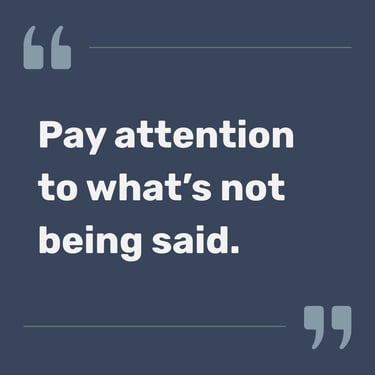
Pay attention to what’s not being said
Be curious, not reactive
Learn to sit with discomfort instead of rushing to fix it
Pixar is a masterclass in this. Their “Braintrust” model encourages candid feedback from all levels, regardless of title. This openness leads to sharper stories, better teamwork, and one of the most consistent creative track records in film. Why? Because when people feel safe to speak up, ideas get better—and so does execution.




The Bottom Line
It’s not soft.
It’s not a bonus.
It’s the foundation of modern leadership.
It builds loyalty.
Strengthens performance.
And helps teams do hard things—together.
Understanding people—what drives them, what they fear, how they work—isn’t optional anymore.